Why Remote NYC Culture Is Redefining How Developers Work
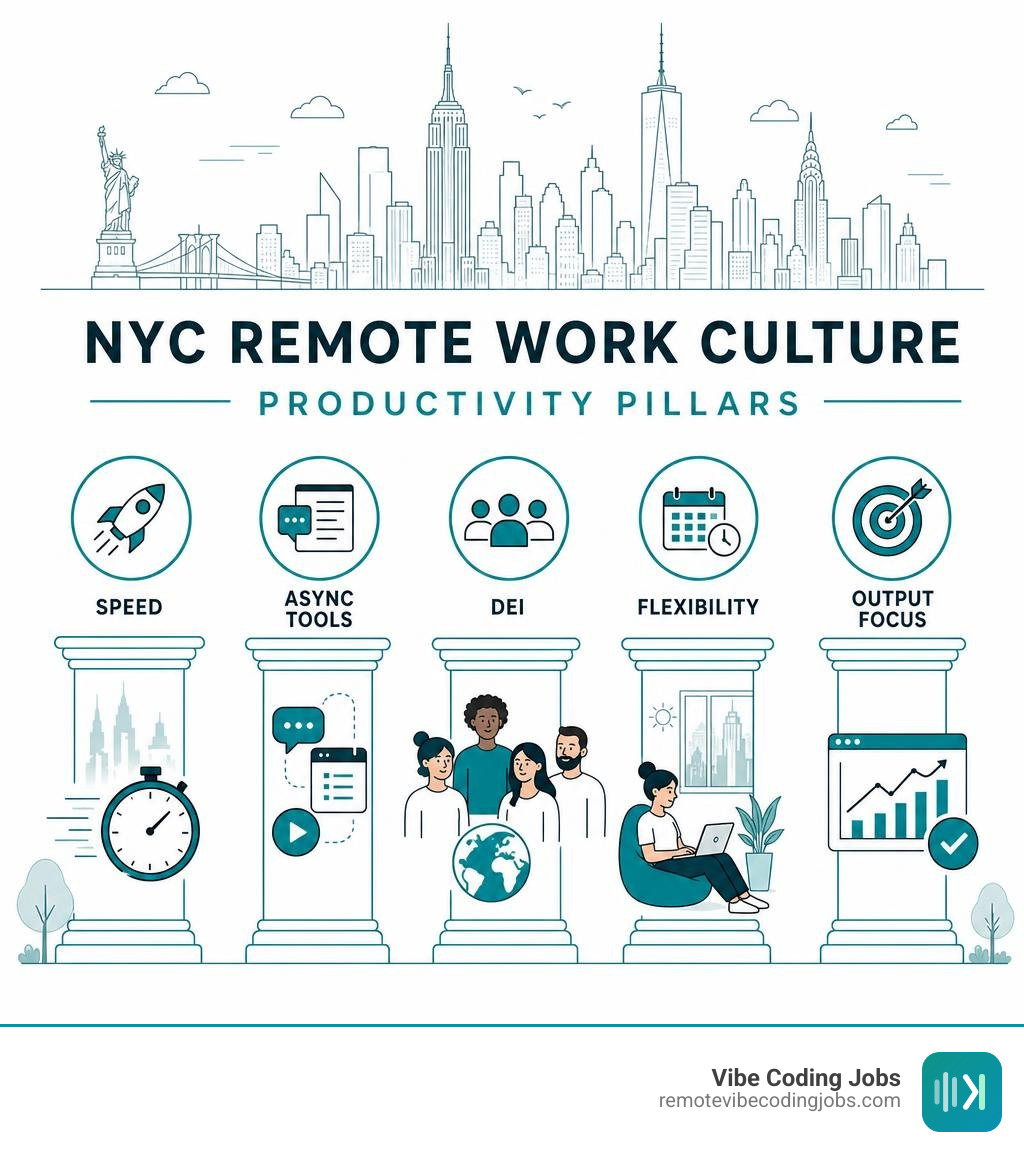
Remote NYC culture is one of the most distinct work environments in the world — fast-moving, output-obsessed, and increasingly async-first. Here’s what defines it at a glance:
- High execution speed — NYC-based remote teams ship fast and think in days, not weeks
- Output over presence — results matter more than hours logged
- Async-first tools — Slack, Notion, Loom, and Linear replace unnecessary meetings
- Hub-and-spoke flexibility — some companies use NYC as an anchor hub, others go fully distributed
- DEI by design — leading remote NYC companies actively build diverse, global teams
- Work-life integration — flexible PTO and schedule autonomy are standard expectations, not perks
New York has always set the pace for business. But something shifted after 2020. The city’s relentless ambition didn’t disappear — it moved online. Today, remote NYC teams are proving you don’t need a Midtown office to ship great work at New York speed. Companies like Moov and Vercel have built distributed teams that run on trust, async communication, and radical transparency. Meanwhile, remote workers across the five boroughs are finding new rhythms — working from the Rose Reading Room at the New York Public Library, co-working at Freelancers Hub in Industry City, or joining group travel communities to stay connected while working from anywhere.
The challenge? Keeping the energy and ambition of NYC alive without burning people out.
I’m Di Su, a software engineer with over 10 years of experience building scalable web products and optimizing workflows — including time spent navigating remote NYC culture across marketing, engineering, and growth roles. My background gives me a practical lens on what actually works for remote teams operating at high velocity. In the sections ahead, I’ll break down exactly how to thrive in this environment.
Simple remote nyc culture glossary:
Defining the Distinct Dynamics of Remote NYC Culture
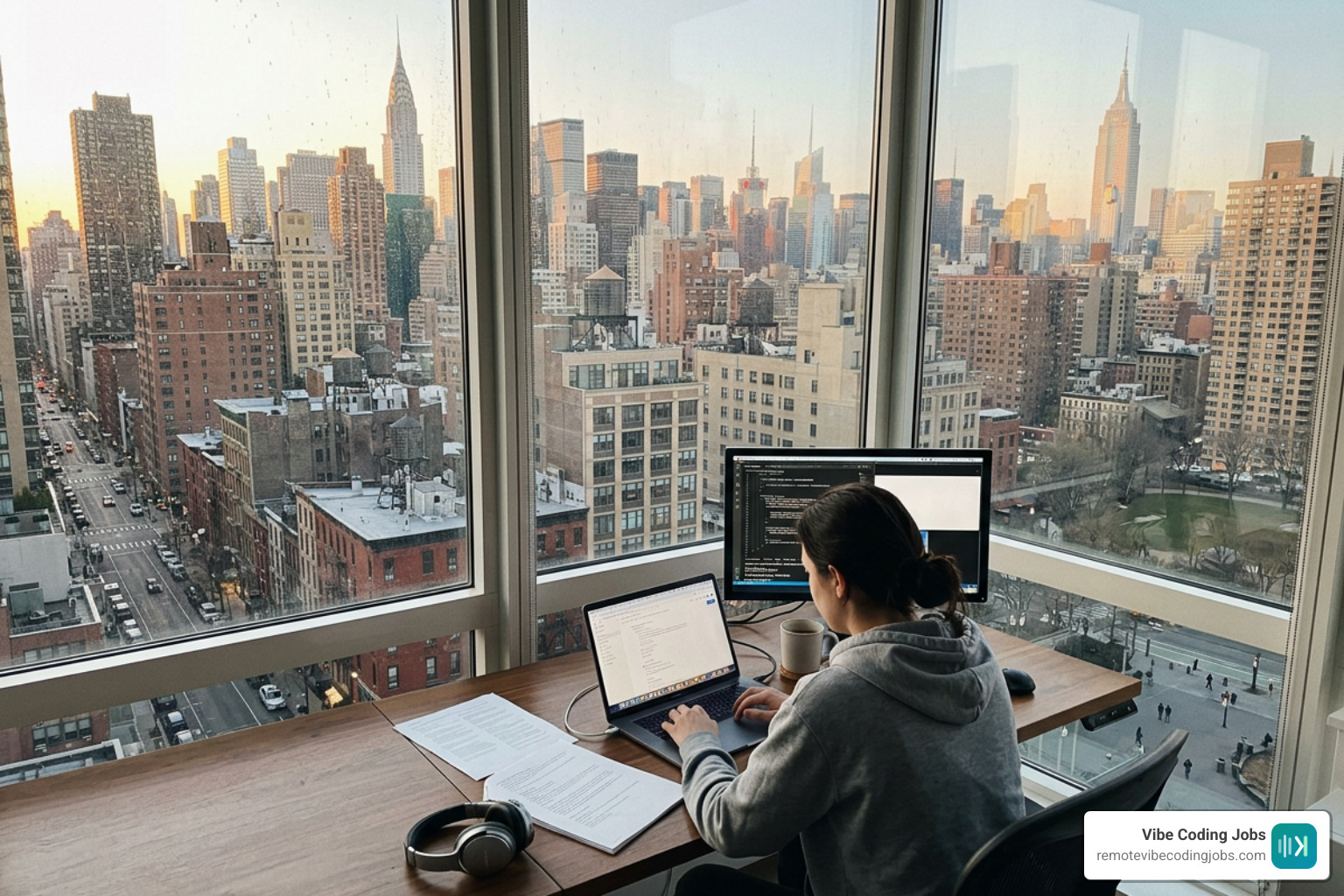
What happens when you decouple New York City’s famous work ethic from the physical office? You get a unique blend of high ambition, rapid execution, and decentralization. Remote NYC culture is defined by a refusal to settle for slow processes. Unlike traditional remote setups that can sometimes lean toward overly relaxed schedules, the NYC remote landscape carries the metropolis’s native intensity into the digital domain.
In this environment, success isn’t measured by sitting at a desk from 9 to 5; it is measured by shipping high-impact code, resolving customer pain points immediately, and iterating rapidly. Many NYC-headquartered technology firms have transitioned to a hybrid hub-and-spoke model. They maintain physical headquarters in Manhattan or Brooklyn to host strategic offsites and collaborative anchor days, while allowing talent to operate remotely from anywhere in the world.
This setup gives remote developers and digital nomads the best of both worlds: access to high-density networking, premium talent pipelines, and venture capital, combined with the personal freedom to design an energetic, distraction-free workday.
Understanding the Fast-Paced Remote NYC Culture Ethos
The core ethos of NYC remote work is grounded in momentum. When startup manifestos like the Owner Final Culture Deck June 2024.pdf) emphasize thinking in hours and days rather than weeks and months, they capture the exact pulse of modern remote engineering hubs in New York.
To maintain this speed without micromanagement, companies rely on high autonomy and explicit boundary setting. When developers don’t have managers looking over their shoulders, accountability shifts entirely to deliverables. This requires clear written documentation, aggressive prioritization, and mastering Remote Work Productivity Tips like time-blocking deep work sessions.
In our experience at RemoteVibeCodingJobs, engineers who thrive in NYC’s remote scene treat autonomy as a responsibility: they use AI tools like Cursor and Claude Code to prompt past blockers independently, shipping production-ready PRs before a synchronous meeting is even requested.
How Companies Drive Diversity and Inclusion in Remote NYC Culture
New York City’s workforce has always drawn strength from its immense cultural diversity. As NYC tech leaders shift to remote-first models, they are leveraging global hiring to expand diversity, equity, and inclusion (DEI) far beyond municipal boundaries.
By removing geographical hiring constraints, remote-first organizations can tap into talent across Latin America, North America, and Europe without requiring candidates to absorb New York’s high cost of living. Case studies in remote culture demonstrate the massive impact of deliberate DE&I strategies. For instance, detailed analysis from Cultivating a Thriving Remote-First Culture in Partnership with Remote shows that implementing structured values-based hiring and inclusive policies resulted in a 700% increase in women in engineering roles, alongside a 93% offer acceptance rate in early 2024.
Leading remote-first companies build these DEI practices through dedicated, employee-led culture committees. Representing up to 20% of a company’s total headcount, these committees organize async culture events—such as neurodiversity awareness sessions, inclusive language workshops, and holiday celebrations—ensuring that psychological safety and equity remain embedded in the daily work culture.

Balancing High-Performance Work Ethic with Work-Life Balance
Operating at New York velocity while working from home can lead to continuous work if you aren’t careful. Without a physical commute along the subway to separate your professional life from your personal life, the lines between work and leisure can easily blur. Successful remote NYC culture relies heavily on building intentional daily disconnect habits and trust-based management.
High-performing teams don’t require employees to monitor Slack 24/7. Instead, they promote radical transparency, outcome-based evaluations, and clear flexible PTO policies. Trust-based management empowers engineers to take charge of their energy—allowing them to step away for a midday gym session or walk through Central Park, knowing they will deliver on their commitments when focused.
Overcoming Burnout and Isolation in the City
Even in a vibrant city of eight million people, working remotely from a small apartment can occasionally feel isolating. Combined with high-intensity tech targets, developers run a real risk of burnout if psychological safety and flexibility aren’t prioritized.
To safeguard team health, engineering leads should implement structured strategies outlined in our guide on How to Avoid Burnout as a Remote Developer: A Comprehensive Guide. Key habits include:
- Strict status signaling: Using custom Slack statuses to mark deep work or personal time, removing the pressure for immediate replies.
- Blameless post-mortems: Cultivating psychological safety by reviewing system outages or bugs without pointing fingers, keeping failure cheap and learning fast.
- Work-life integration: Encouraging flexible work windows so developers can align focus hours with their peak cognitive energy.
- AI-assisted automation: Utilizing AI tools to handle repetitive administrative tasks, allowing engineers to dedicate their mental energy to solving creative architectural challenges.
Virtual Celebrations and Team Bonding Across Distributed Hubs

Building personal connections across distributed teams requires moving beyond routine status updates. While physical offsites remain essential—most remote engineering cultures target bi-annual retreats budgeted at roughly $3,500 per engineer—day-to-day team cohesion is built through creative virtual rituals.
To keep distributed teams connected without forcing extra screen time, remote NYC companies rely on both synchronous and asynchronous recognition practices:
- Dedicated peer shoutout channels: Setting up Slack or Teams channels like
#values-championswhere colleagues highlight team members who went above and beyond. - Async milestone showcases: Sharing quick Loom videos or screen recordings to demo weekly wins, product releases, or personal achievements.
- Opt-in social breaks: Hosting casual virtual coffee pairings via apps like Donut, pairing cross-functional team members for informal 15-minute chats.
- Interactive team events: Organizing inclusive, non-work events such as trivia, online escape rooms, or virtual cooking workshops led by remote team members.
Essential Strategies and Tools for Async-First Collaboration
To eliminate time-zone bottlenecks and lower meeting fatigue, top NYC technology firms design their workflows around asynchronous communication. The baseline philosophy is simple: if a decision can be documented in writing, it shouldn’t require a live video call.
According to engineering playbooks like How to build a remote-first engineering culture | Cadence blog , structured knowledge management accelerates new developer onboarding speed by up to 64%. Storing key cultural values, architecture decision records (ADRs), and sprint goals in public code repositories or Notion workspaces allows team members to move forward independently without waiting for synchronous approvals.
Asynchronous Communication and Deep Work
Uninterrupted deep work is the ultimate fuel for high engineering output. Interrupting a developer’s concentration with unexpected calendar invites breaks momentum and lowers code quality. In contrast, an async-first workflow treats live meetings as a last resort.
Companies adopting Async-First Remote Developer Jobs: Asynchronous Communication build their tech stack around predictable, async tools:
- Linear: Tracks feature tickets, bug logs, and sprint velocity asynchronously without requiring daily standup meetings.
- Notion & GitHub Docs: Serves as the single source of truth for engineering architecture, system specifications, and company policies.
- Loom: Replaces lengthy status presentations with short, recorded screen shares that team members can watch at 1.5x speed.
- Slack / Tuple: Used for focused discussion threads and occasional pairing sessions when code reviews need real-time problem solving.
Architectural Case Studies: Moov and Vercel Models
Examining established tech companies operating in or connected to the NYC hub offers clear blueprints for balancing remote flexibility with operational velocity.
Fintech innovator Moov operates on full schedule autonomy and trust. Providing matching 401(k) contributions up to 5% and generous time off, Moov gives its software engineers full freedom to choose between home setups or co-working spaces. Their management philosophy focuses strictly on output delivered rather than hours logged, giving developers complete agency over their daily environment.
In contrast, frontend leader Vercel utilizes a hybrid anchor-hub approach. As detailed in recent remote work guidelines, Vercel maintains a Glassdoor score of 3.9/5.0 with 74% of employees recommending the workplace. Vercel applies a location-tiered strategy: employees living outside metro commuting zones are fully remote, while team members residing near primary hubs (San Francisco, NYC, London, Berlin) attend office anchor days three times per week (Mondays, Tuesdays, and Fridays).
Meanwhile, high-density NYC startups like EliseAI prioritize close, in-person collaboration, using shared tools like Granola meeting notes to keep fast-scaling teams aligned across physical hubs.
| Culture Metric / Feature | Fully Async / Distributed Model | Hybrid Anchor-Hub Model (e.g., Vercel) | In-Office High Density Model |
|---|---|---|---|
| Primary Work Location | 100% Home or Co-working | Remote or Hub Office | Central City Office |
| In-Person Requirement | Bi-annual offsites only | 3 Anchor Days/week (if near hub) | Daily in-office presence |
| Meeting Cadence | Async-first, low meeting count | Blended async and hub sync | In-person standups & syncs |
| Geographic Sourcing | Global talent access | Global + Hub-centric clusters | Local metro area |
| Compensation Model | Flat or country-adjusted | Location-adjusted band tiers | Metro market rates |
Top NYC Workspaces and Communities for Remote Professionals
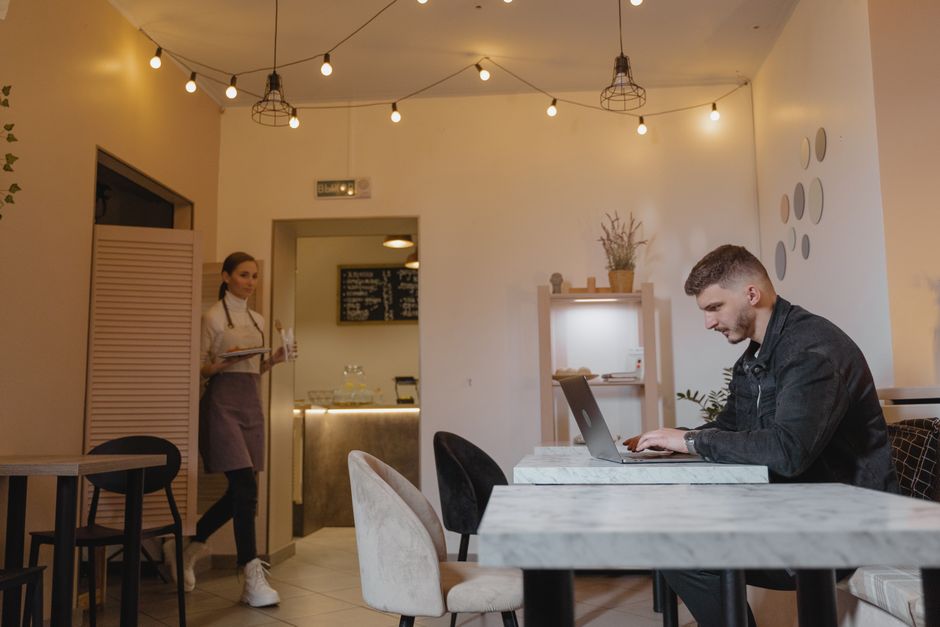
Working remotely in New York City doesn’t mean staying stuck in your apartment. One of the greatest perks of remote nyc culture is access to world-class public libraries, specialized co-working lounges, and community hubs across the five boroughs.
Co-Working Spots and Libraries for High Focus
When home distractions creep in, NYC offers an array of spaces designed for high focus and deep output. Remote workers looking for inspiration outside their homes can explore curated locations highlighted in guides like the Digital Nomad Guide to New York and New York and Digital Nomads – Your Guide to Remote Working in the City:
- New York Public Library (Stephen A. Schwarzman Building): The iconic Rose Main Reading Room in Midtown Manhattan provides a quiet, grand atmosphere perfect for deep research, writing documentation, or focused coding sprints.
- Freelancers Hub at Industry City: Located in Sunset Park, Brooklyn, this dedicated space hosted by the Freelancers Union offers free workspace access, educational workshops, and community networking for independent contractors and remote tech talent.
- Santander Work Cafe: Situated in Williamsburg, Brooklyn, this bank-sponsored co-working cafe provides fast Wi-Fi, private meeting rooms bookable online, and discounted coffee for account holders without requiring expensive daily passes.
- BRIC House: Located in Downtown Brooklyn, BRIC offers an artistic, open-seating public lounge equipped with strong public Wi-Fi, plenty of power outlets, and a lively cafe environment.
- Barnes & Noble (Union Square): A classic fallback for remote professionals, offering quiet seating areas across multiple floors right in the heart of Manhattan.
Finding Social Connection in Local and Global Groups
Beyond dedicated workspaces, building a local and international professional network is vital for remote workers. Community initiatives showcase how NYC remote professionals connect across geography.
For instance, community networks detailed on About remoteNYC — remote NYC bring together over 45 active members across 15 cities in the United States, Canada, Mexico, and Colombia. These groups organize local borough meetups, co-living trips, weekend hikes, and international working retreats. Joining such communities allows remote tech professionals to easily balance focused work with social exploration, keeping their connection to New York’s creative energy vibrant no matter where they log in.
If you’re eager to find high-growth remote roles that fit this lifestyle, explore our curated directory of Remote NYC Tech Jobs to connect with async-first teams hiring today.
Frequently Asked Questions
What makes NYC remote work culture unique compared to other cities?
NYC remote work culture uniquely combines New York City’s ambition and execution speed with modern asynchronous work strategies. Rather than slowing down, remote teams in NYC prioritize high-velocity output, clear documentation, and results over physical desk presence, backed by a strong global network of talent.
How do NYC remote companies maintain trust without micromanagement?
NYC remote companies build trust by shifting performance metrics from hours logged to impact delivered. By establishing clear written values, defining unambiguous project milestones, utilizing tracking platforms like Linear, and promoting blameless communication, managers give developers autonomy while maintaining high visibility on shipping velocity.
What are the best free remote work spaces in New York City?
The best free remote work environments in NYC include the New York Public Library’s Rose Main Reading Room in Midtown, the Freelancers Hub at Industry City in Brooklyn, the Santander Work Cafe in Williamsburg, and public community spaces like BRIC House in Downtown Brooklyn.
Conclusion
The shift toward remote nyc culture proves that high-velocity innovation doesn’t require a physical desk in a Midtown skyscraper. By merging NYC’s native drive for execution with async communication tools, flexible PTO, and trust-based management, modern remote teams ship code faster while maintaining a healthy work-life integration.
Whether you are an engineer writing code using AI tools like Cursor from a Brooklyn cafe or a technical manager directing a global team across three continents, success comes down to mastering autonomy, clear written documentation, and output-focused performance.
Ready to take your engineering career to the next level in a flexible, high-impact environment? At RemoteVibeCodingJobs, we index daily remote opportunities tailored for developers who thrive in async-first, AI-assisted work environments. Explore our hand-picked listings and find your next remote NYC tech role today!