
Find Better Remote Software Engineer Jobs With a Focused Strategy
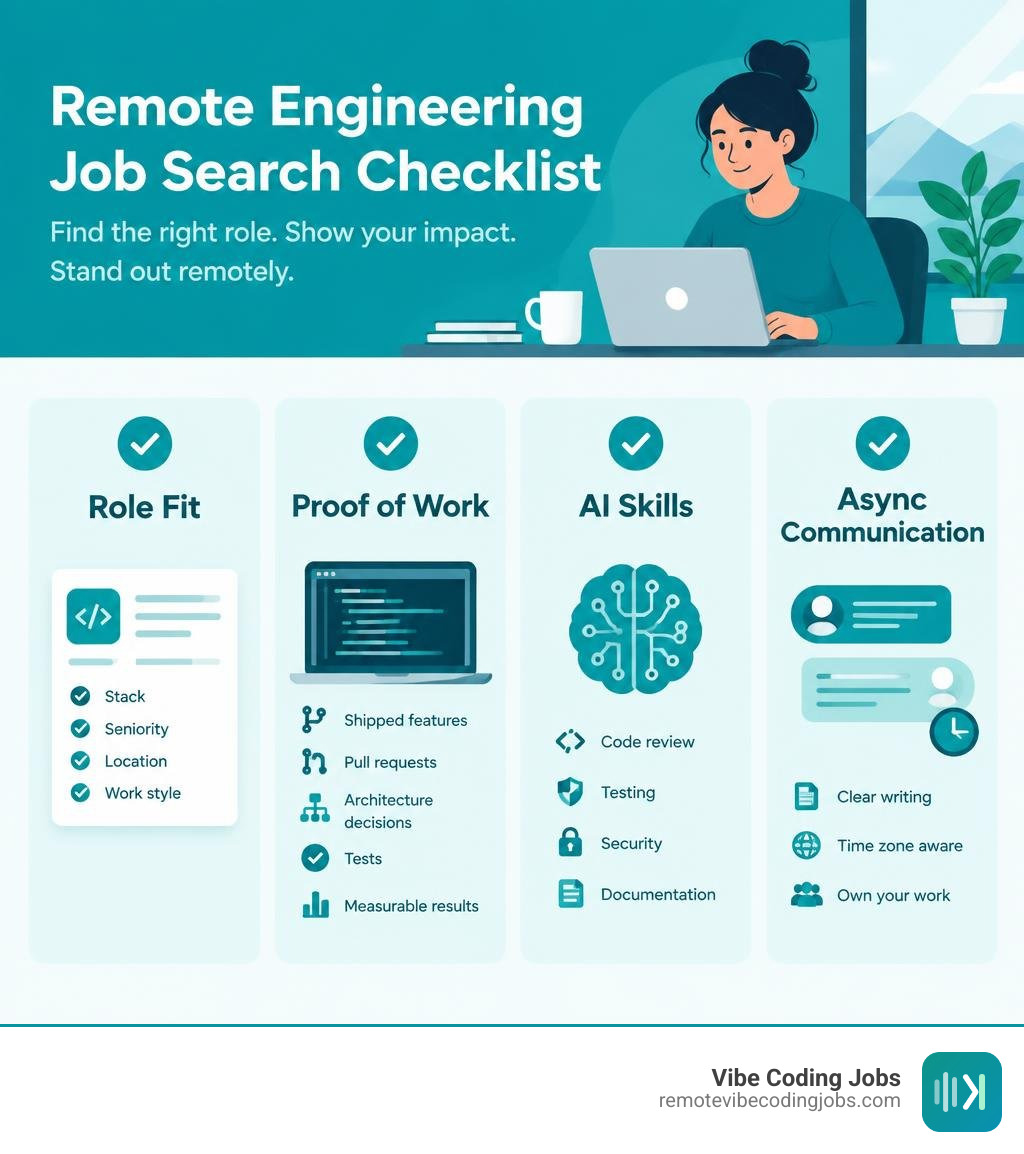
To find remote software engineer jobs, focus on roles that match your stack, seniority, location eligibility, and work style – then show proof that you can ship code and communicate well without constant meetings. Many engineers are now targeting remote software engineer jobs because they want autonomy, deep work, and freedom from commuting.
- Filter for fully remote or async-first roles, not vague “remote-friendly” listings.
- Tailor your resume to the stated stack, such as Python, TypeScript, React, Go, cloud infrastructure, CI/CD, and PostgreSQL.
- Include evidence of end-to-end work: shipped features, pull requests, architecture decisions, tests, and measurable results.
- Prepare to discuss AI-assisted development responsibly, including code review, testing, security, and documentation.
- Apply quickly, but avoid generic applications. Remote teams often screen for strong written communication as closely as technical skill.
Remote hiring is still full of opportunity, but the bar has changed. Many teams now expect engineers to work across time zones, document decisions clearly, own features from idea to release, and use AI coding tools without treating generated code as automatically correct. Engineers who understand this shift, and who tailor each application accordingly, land remote software engineer jobs employers actually respond to. The best applications make those strengths easy to verify.
I am Di Su, a software engineer with 10+ years of experience in web development, scalable products, and growth-focused digital work. I have built with Python and modern web tools, and I know that landing remote software engineer jobs takes more than listing a framework on a resume.
Explore related career paths in distributed engineering:
1. The Shifting Landscape: Why Finding Remote Software Engineer Jobs Requires New Tactics
The days of submitting an unpolished resume to fifty open tabs and receiving five recruiter callbacks are long gone. The global engineering market has transformed dramatically. While high-growth startups and enterprise companies continue to expand distributed hiring, the sheer volume of global applicants means hiring managers must filter aggressively.
Landing a great distributed role today requires understanding how modern teams function day-to-day. Top distributed teams operate under deep work cultures where developers are trusted to take projects from technical RFCs to production without hand-holding. Mastering async-first remote developer workflows has become a baseline hiring requirement rather than a quirky perk.
Recent job listings highlight this shift clearly. For example, openings for Senior Full-Stack Engineer positions or roles like the Senior Backend Engineer vacancy require engineers to operate with extreme autonomy. Companies are no longer evaluating you solely on your ability to write raw code; they want to know how effectively you communicate system architecture, how you manage project scope, and whether your personal workflow helps or hinders a distributed team.
The Rise of AI-Native Workflows and Async Culture
The modern engineering floor is no longer an open-plan office with whiteboard rooms—it is a collection of structured GitHub Discussions, Linear project boards, and Slack threads. When working in an async culture, your writing is your presence. Clear, concise documentation prevents blockers when your teammates are eight time zones away.
Furthermore, engineering teams are transitioning toward agentic engineering workflows, where developers act as system orchestrators. Engineers routinely direct AI agents to scaffold boilerplate, automate test suites, and execute complex refactors.
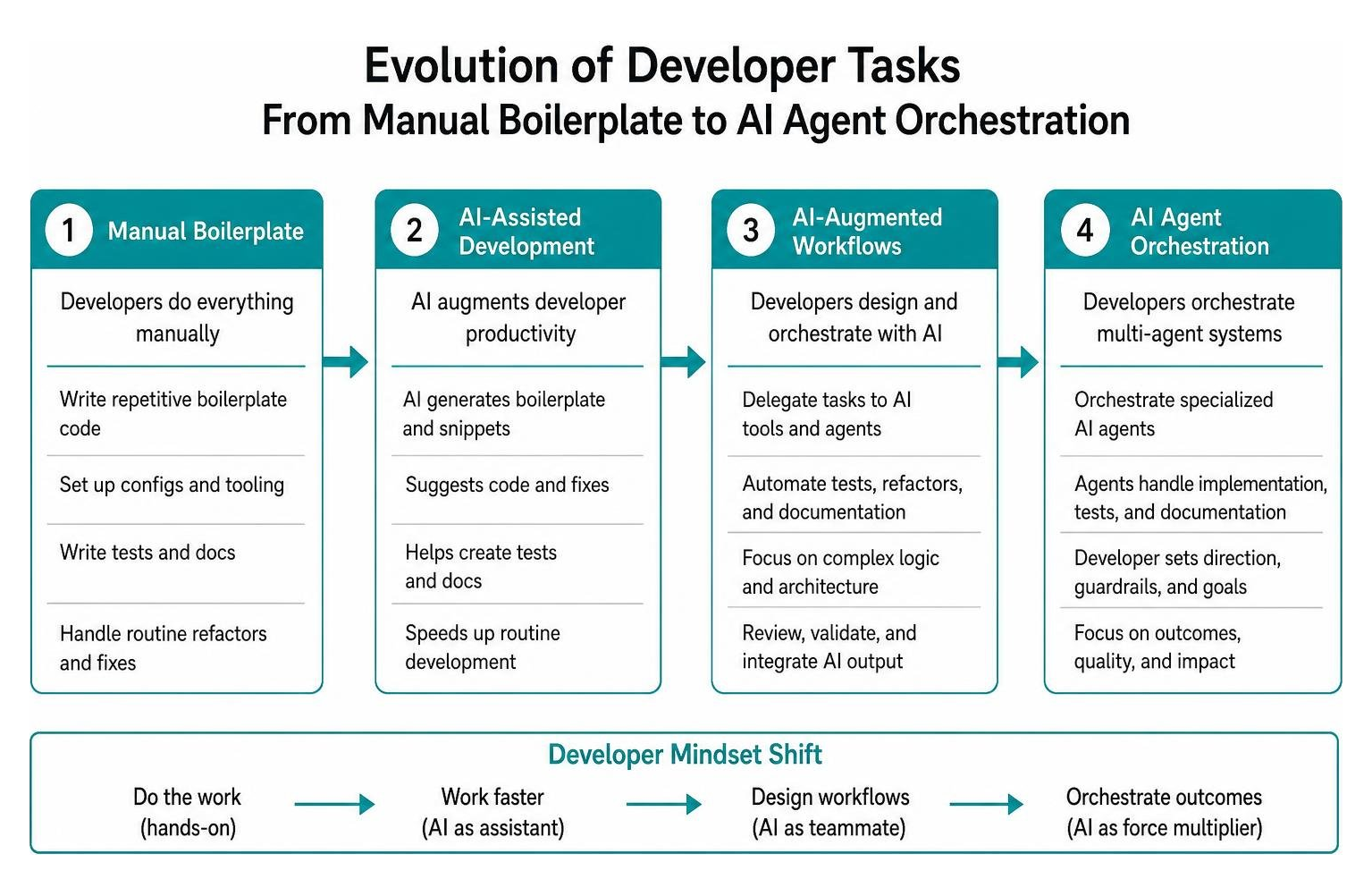
To succeed in this environment, you must demonstrate strong ticket hygiene, precise prompt engineering skills, and rigorous pull request standards that make reviewing your code effortless for remote colleagues.
Fully Remote vs. Hybrid vs. Remote-Friendly Teams
One of the costliest mistakes job seekers make is treating all flexible work arrangements the same. In practice, team dynamics vary drastically depending on how leadership defines remote flexibility:
| Role Model | Timezone Overlap Required | Synchronous Meeting Load | Location & Tax Constraints |
|---|---|---|---|
| Fully Remote / Async-First | Low (2–4 hours) | Minimal; reliance on documentation & Loom updates | Global or broad regional hiring; payroll via EOR |
| Remote-Friendly | Moderate (4–6 hours) | Moderate; culture often mirrors physical HQ habits | National boundaries; occasional travel for offsites |
| Hybrid | High (Full working day) | Heavy; frequent in-person syncs and whiteboarding | Strict radius around office hubs (e.g., 2–3 days onsite) |
Synchronous meeting fatigue is the primary reason developers leave poorly run remote companies. When evaluating opportunities, verify whether a company operates with true asynchronous autonomy or merely holds in-person meetings over video calls.
2. In-Demand Technical Skills and AI Tooling for 2026

Technical requirements have evolved alongside collaboration tools. While domain fundamentals such as system design, caching layers, and database indexing remain vital, employers prioritize candidates who understand cloud architecture, automated CI/CD pipelines, and modern AI acceleration tools.
High-Priority Tech Stacks for Remote Software Engineer Jobs
Remote teams lean toward battle-tested languages and frameworks that allow small teams to ship quickly and reliably:
- Python: High demand continues across AI engineering, data pipelines, and scalable backends. Check our guide on remote Python developer roles to understand modern requirements.
- TypeScript & React: Full-stack versatility remains standard across modern SaaS. Explore current remote React development opportunities to keep your frontend skill set competitive.
- Go & Elixir: High-concurrency systems rely on Go and Elixir for distributed services. Production roles emphasize Go backend skills, API integrations, and robust database management.
- Modern Data Layers: Deep experience with PostgreSQL tuning, connection pooling, and distributed storage engines is essential across many full-stack listings.
Integrating AI Coding Assistants and Agentic Workflows
Companies are actively searching for developers who leverage AI responsibly to boost output. Modern developers use dedicated environments like Cursor IDE and integrate Claude Code practices for remote developers into their command-line workflows.
Remote teams also use AI code review tools to catch security flaws, suggest performance optimizations, and standardize code style before human peers review pull requests. Showing that you know how to validate AI-generated code with automated testing sets you apart from engineers who copy and paste unchecked code.
3. Remote Compensation Trends and Location-Based Salary Bands
Understanding market rates is critical when negotiating remote offers. Check detailed engineering salary benchmarks to evaluate your current market value across various specializations.
A major concern for developers is whether remote roles pay less than in-office equivalents. While localized compensation exists, our analysis on remote developer earning discrepancies shows that top distributed companies pay top-tier rates to secure high-performing talent regardless of location.
For example, competitive ranges span from broad entry-to-staff bands like a $75k-$265k Software Engineer listing, up to specialized leadership packages seen in Staff Software Engineer roles ($200,000–$280,000 base pay).
Global vs. Geo-Adjusted Engineering Salaries
Employers typically approach distributed compensation through one of three models:
- National/Global Single Tier: The company pays a fixed salary band for the role, regardless of where the developer sits.
- Cost-of-Living Geo-Adjustment: Salaries adjust based on localized cost-of-living tiers, often benchmarked against regional metro areas.
- Tier-One Metro Adjustment: Companies anchor base pay to tech hubs like San Francisco or New York, applying minor discounts (10–20%) for fully remote staff elsewhere.
Review our breakdown of full-stack developer salary baselines to evaluate total compensation packages, including equity grants, remote office stipends, and flexible PTO policies.
4. How to Navigate the Modern Remote Engineering Hiring Pipeline

Hiring pipelines for remote roles have moved away from marathon eight-hour whiteboard sessions. Instead, teams prioritize practical demonstrations of real-world development.
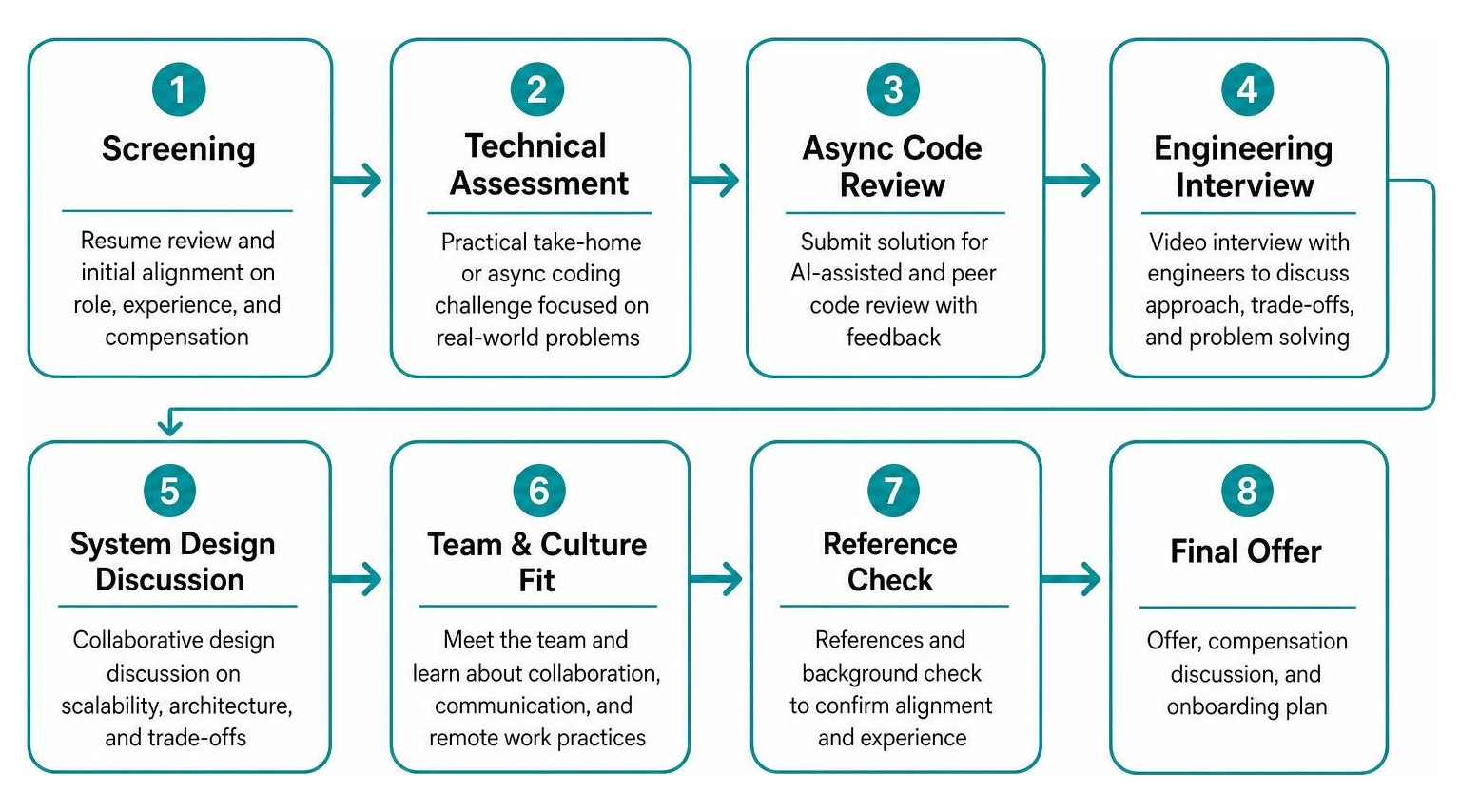
Portfolio Over Algorithm-Heavy Interviews: Practical Take-Homes and Async Code Reviews
More engineering leaders are adopting remote coding roles without algorithm-heavy interviews. Hiring managers evaluate real-world competence by reviewing clean pull requests, architectural trade-offs, and practical take-home projects.
To prove your skills, build a killer remote developer portfolio architecture featuring:
- Production-ready repositories with complete README documentation.
- Architectural Decision Records (ADRs) explaining why you selected specific databases, frameworks, and deployment patterns.
- Automated CI/CD test suites with high code coverage.
- Clear commit histories demonstrating iterative development and sensible PR scoping.
How to Stand Out When Applying for Remote Software Engineer Jobs
When hundreds of applicants submit similar resumes, thoughtful personalization makes the difference. Follow our strategies for acing remote developer interviews:
- Record Async Walkthroughs: Include a 2-minute Loom video walking through a complex feature or architectural decision you engineered.
- Showcase Written Communication: Write clear, concise cover notes that explain your past impact, your preferred tech stack, and your experience working asynchronously.
- Highlight AI Productivity: Describe how you use AI coding assistants to accelerate test coverage, refactor legacy code, and maintain comprehensive technical documentation.
5. Daily Realities: Communication, Productivity, and Avoiding Burnout
Working remotely offers unmatched autonomy, but it introduces distinct challenges around boundary management and isolation. Maintaining long-term productivity requires structured daily systems.
To maintain sustainable output, apply actionable remote work productivity strategies:
- Establish Strict Physical Boundaries: Maintain a dedicated workspace that allows you to disconnect fully at the end of the day.
- Batch Asynchronous Communication: Check communication channels at scheduled intervals rather than letting notifications interrupt deep coding sessions.
- Combat Isolation Proactively: Implement proven remote developer isolation solutions, such as attending local developer meetups, participating in virtual co-working spaces, or participating in engineering communities.
Frequently Asked Questions About Remote Software Engineer Roles
What is the average salary range for remote software engineers in 2026?
Compensation varies based on seniority, specialization, and company compensation structure. Mid-level software engineers typically earn between $100,000 and $150,000 USD, while senior and staff engineers range from $160,000 to over $260,000 USD plus equity. Global hiring through Employer of Record (EOR) services may adjust these figures depending on regional market benchmarks.
How is AI changing remote software engineering interviews?
Interviews have shifted toward practical system design, prompt-driven refactoring, and live code reviews. Rather than penalizing candidates for using AI, modern interviewers often encourage AI coding tools during practical exercises to evaluate how effectively candidates review, test, and debug generated output.
What are the biggest mistakes developers make when applying remotely?
The most common mistakes include submitting generic resumes that fail to highlight written communication, lacking public code samples or architecture documentation, and applying to roles outside their eligible time zones or tax jurisdictions.
Conclusion
Securing a high-paying remote software engineering role requires an intentional, modern strategy. By mastering in-demand frameworks, adopting async-first communication habits, and leveraging AI-assisted development tools responsibly, you can distinguish yourself across any hiring pipeline.
If you are ready to find engineering roles built for the modern era, explore curated listings on RemoteVibeCodingJobs to connect with forward-thinking teams hiring today.