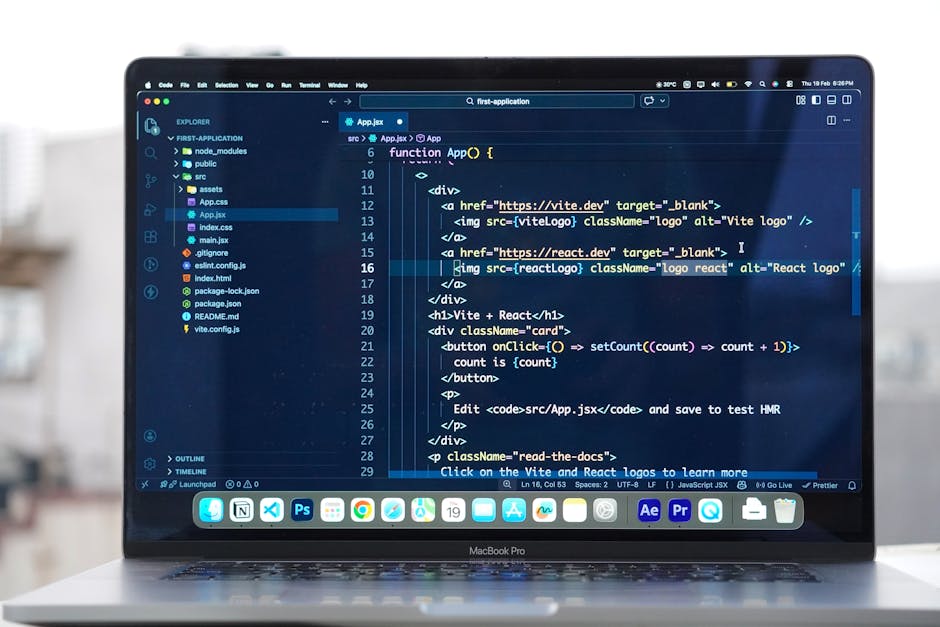
What Exactly is Vibe Coding and How Does it Transform Software Development?
The term “vibe coding” might sound new, but it represents a profound evolution in how we build software. At its heart, vibe coding is about AI-assisted development, a paradigm where developers leverage intelligent tools to create software faster and more intuitively. It’s often referred to as agentic engineering, signifying a shift towards guiding AI agents to perform coding tasks.
The Core Concept of Vibe Coding
Vibe coding means using AI tools to generate code from natural language descriptions. Instead of meticulously writing every line of code, we describe the “vibe” or intent of what we want, and AI helps bring it to life. This approach emphasizes guiding AI, iterating on its outputs, and ensuring the final product aligns with the desired functionality and user experience. It’s about leveraging AI as a powerful collaborator to accelerate development cycles and enhance creativity. This transformation is pivotal to understanding the trend, as explored in What is Vibe Coding and Is Vibe Coding Real? Unveiling the Truth Behind the Trend.
How it Differs from Traditional Software Development
The distinction between vibe coding and traditional software development is significant. Traditional coding heavily relies on manual syntax writing, deep language expertise, and detailed implementation. Vibe coding, however, shifts our focus dramatically. We move from being “code typists” to “software architects and strategists.” Our primary tasks become:
- Architecting Solutions: Designing the overall structure and flow of applications.
- Prompt Engineering: Crafting precise and effective natural language prompts to instruct AI.
- Reviewing AI Output: Critically evaluating, refining, and debugging the code generated by AI.
This new approach allows us to build features 3-10 times faster, transforming the development process. AI takes on the more repetitive and mundane coding tasks, freeing us to concentrate on higher-level problem-solving, creativity, and experimentation. It’s a move away from prioritizing seniority based on years of manual coding, towards valuing ingenuity and the ability to effectively direct AI. This fundamental difference is detailed further in Vibe Coding vs Traditional Coding and What Are Vibe Coding Jobs Guide to Future of Remote Work.
What Key Skills, Tech Stacks, and AI Tools Do Remote Vibe Coders Need to Master?
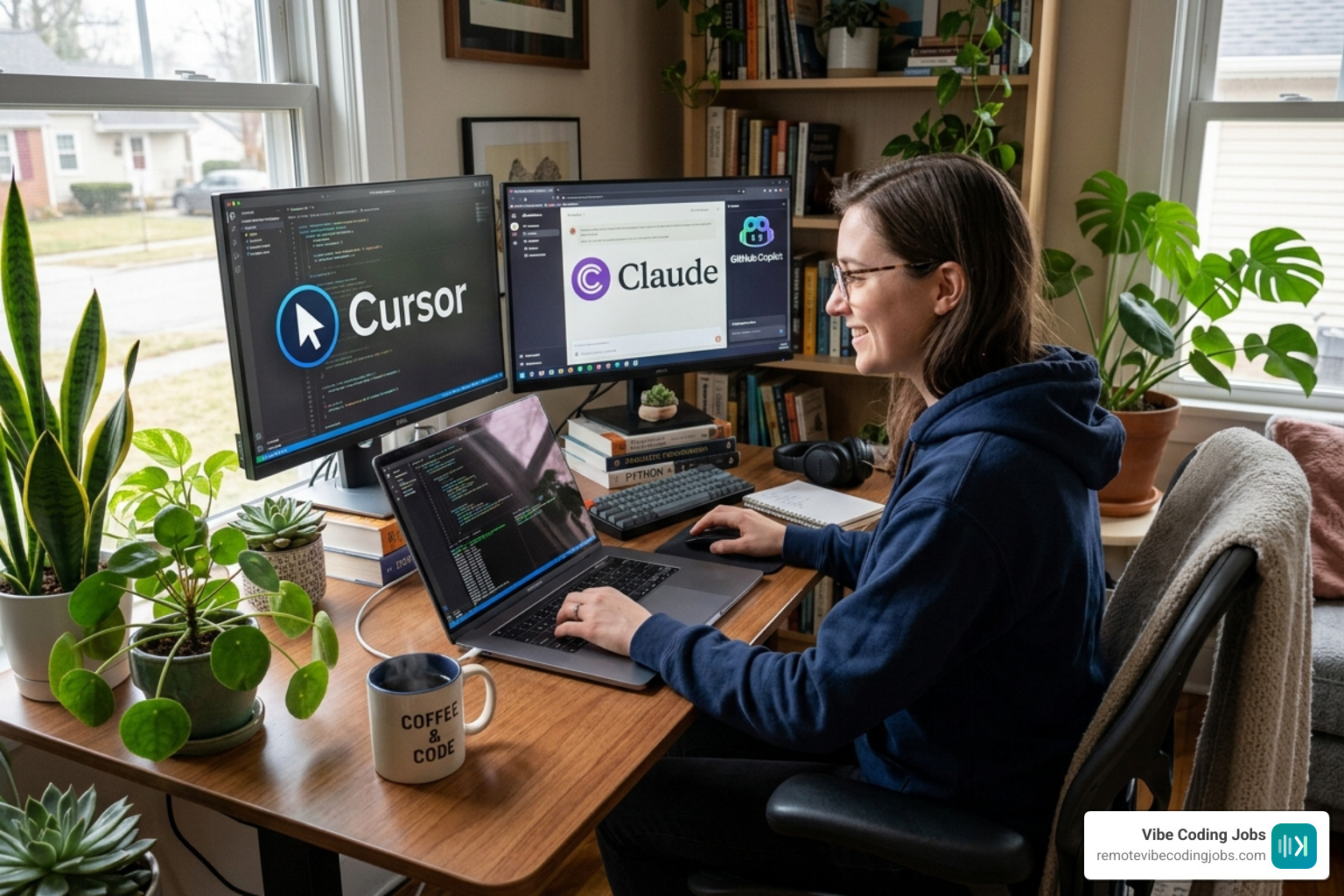
To thrive in the remote vibe coding landscape, we need a specific set of skills and familiarity with certain tech stacks and AI tools. This isn’t just about knowing how to code; it’s about knowing how to collaborate with AI effectively.
Essential Skills for Vibe Coders
Successful remote vibe coders possess a unique blend of technical acumen and strategic thinking. Here are the core competencies we prioritize:
- Prompt Engineering: This is arguably the most crucial skill. We must be adept at translating complex ideas into clear, concise, and effective natural language prompts that guide Large Language Models (LLMs) to generate the desired code.
- Programming Fundamentals: While AI generates much of the code, a solid understanding of programming languages like Python, JavaScript, and TypeScript is essential. This allows us to effectively evaluate, refine, and debug AI-generated code, ensuring its correctness, security, and performance.
- Critical Thinking & Problem Decomposition: We need to be able to break down complex problems into smaller, AI-digestible chunks and critically assess the AI’s outputs, identifying limitations or areas for improvement.
- Testing and Debugging: Expertise in verifying functionality and fixing issues in AI-generated code is vital. This often involves manually editing or improving prompts when the AI “hallucinates” or produces suboptimal solutions.
- Communication Skills: Clear documentation of AI processes, limitations, and decisions is key. We also collaborate cross-functionally with product, design, and other engineering teams.
- Product Thinking: A focus on the end-user and the business value of features is paramount, ensuring that what we build is not just functional but also impactful.
Common Tech Stacks and AI Tools
Vibe coders typically work with modern, agile tech stacks. For frontend development, we often see React/Next.js paired with Tailwind CSS. Backend systems frequently utilize Python FastAPI or Node.js, with databases like PostgreSQL or Firebase. Cloud platforms such as AWS are also common.
The true differentiator for vibe coders, however, lies in their mastery of AI tools. We find that most successful vibe coders use 2-3 of these tools in combination for optimal results:
- Cursor: Excellent for iterative development, allowing us to quickly generate and refine code.
- Claude Code: Valued for its robust coding capabilities and understanding of complex requests.
- GitHub Copilot: Acts as an intelligent pair programmer, suggesting code snippets and entire functions.
- v0.dev & Bolt.new: Ideal for rapid prototyping and scaffolding new projects or components.
- Windsurf, Lovable, Lazy AI, Replit Agent: Other specialized tools that assist with various aspects of AI-assisted development, from code generation to workflow automation.
Landing a Role Without a CS Degree or Prior Experience
One of the most exciting aspects of vibe coding is its accessibility. Employers are increasingly prioritizing practical skills and a strong portfolio over traditional academic qualifications like a Computer Science degree. If you’re looking to transition into this field without prior coding experience or a CS degree, we recommend:
- Building a Strong Portfolio: Create personal projects where you demonstrably use AI tools to solve real-world problems. Show your prompt engineering prowess and how you guide AI effectively. Live projects, even small ones, are highly valued.
- Focus on Fundamentals: Understand core software development principles, clean code practices, and debugging techniques. This foundational knowledge will help you effectively review and refine AI-generated code.
- Embrace Learning: The field is evolving rapidly. Continuous learning and experimentation with new AI tools and techniques are crucial.
Many positions value a “no LeetCode” approach, focusing instead on practical building skills, as highlighted in How to Get a Vibe Coding Job and No LeetCode Interview Developer Jobs Find Your Vibe.
What Types of Remote Vibe Coding Jobs Are Available and What Salary Can You Expect?

The remote vibe coding market is incredibly dynamic, with a diverse array of roles emerging to meet the demands of AI-first development. This expansion means more opportunities and competitive compensation across various experience levels.
Diverse Remote Vibe Coding Roles
The scope of remote vibe coding jobs extends far beyond traditional software engineering. We’re seeing positions that blend engineering with design, product, and even content creation. Here are some common types:
- Full-stack AI/SEO Vibe Coder: These roles involve building comprehensive AI-powered SEO tools, integrating LLMs for content generation, and developing both frontend dashboards and backend analytics.
- Senior Software Engineer (AI-Assisted): Leveraging AI tools to accelerate development in specific tech stacks, such as React/Node.js or Python/PostgreSQL/AWS, often focusing on high-impact features.
- AI Vibe Coding Web Designer: Professionals who create AI-generated websites or web components, proficient in HTML, CSS, JavaScript, and skilled in AI prompting for design and code.
- Prompt Engineer: Specializing in designing, optimizing, and iterating on prompts to build complex agent workflows and ensure accurate AI output.
- AI Trainer: Subject matter experts who enhance AI model training by providing feedback, creating data, and guiding the AI’s learning process in specialized domains (e.g., manufacturing, finance).
- Product Designer (AI-Fluent): Using AI tools like Cursor and v0 to rapidly prototype high-fidelity designs, bridging the gap between design and production code.
- Freelance Vibe Coder: Working on a project-by-project basis, often tackling internal tools, MVPs (Minimum Viable Products), hackathon-style features, or experimental AI-first projects.
Expected Salary Ranges for Remote Vibe Coders
Salaries for remote vibe coders are highly competitive, reflecting the specialized skills and high demand in this rapidly growing field. Compensation varies based on experience, company size, industry, and geographic location (even for remote roles, as some companies adjust for cost of living). According to our data as of April 2026:
- Junior/Entry-Level: We observe typical salaries ranging from $70,000 to $100,000 per year, with an average around $90,000. Internships can offer $40-$50 per hour.
- Mid-Level: For those with a few years of experience guiding AI and shipping features, salaries generally fall between $100,000 and $150,000 per year, with some roles reaching $130,000.
- Senior/Lead Positions: Highly experienced vibe coders, especially those leading AI-driven initiatives, can command $150,000 to $250,000+ annually, with top-tier companies offering upwards of $400,000.
- Freelance Vibe Coders: Hourly rates typically range from $75 to $150, but can climb to $300 per hour for specialized expertise and high-impact projects.
For a deeper dive into compensation, check out our Vibe Coding Salary Guide and insights on Vibe Coding Salary Remote vs Onsite.
TABLE: Remote Vibe Coder Salary Ranges (April 2026)
| Experience Level | Annual Salary Range (USD) | Hourly Rate (Freelance) |
|---|---|---|
| Junior/Entry | $70,000 – $100,000 | $40 – $50 |
| Mid-Level | $100,000 – $150,000 | $75 – $150 |
| Senior/Lead | $150,000 – $400,000+ | $100 – $300 |
Real-World Examples
To illustrate, here are a few examples of remote vibe coding roles we’ve seen:
- Vibe Coder (Full-Stack AI/SEO) at Adaptify SEO: A full-time remote role, often paying around $100,000/year, focusing on building AI-powered SEO tools using LLMs, Python FastAPI, React NextJS, and Firebase. This role emphasizes rapid shipping and creative problem-solving.
- AI Vibe Coding Web Designer at B12: A remote position with a salary range of $103,680 – $230,280/year. This role requires 3-5 years in web design or front-end development, coupled with comfort and proficiency in AI prompting.
- Vibe Coding Expert at Hyperskill: A part-time remote role at $20/hour (for 10+ hours/week), centered on researching trends, creating AI-driven educational projects, and optimizing workflows with AI tools like Cursor and Windsurf.
These examples highlight the breadth of opportunities available, from specialized design-focused roles to full-stack engineering and educational content creation. More examples can be found in Remote Vibe AI Coding Jobs.
Which Companies Are Leading the Charge in Hiring Remote Vibe Coders and What Benefits Do They Offer?
The surge in demand for remote vibe coders is being driven by a diverse group of companies, from innovative startups to established tech giants. These organizations recognize the transformative power of AI-assisted development and are actively seeking talent that can harness it.
Companies Actively Hiring Vibe Coders
We’ve identified over 270 companies actively hiring for remote vibe coding roles. These companies are often characterized by their forward-thinking approach to technology and work culture. Some notable examples include:
- Adaptify SEO: An AI-first startup that builds autopilot SEO solutions, emphasizing deep work and autonomous innovation. They seek curious minds excited about AI.
- B12: This company uses an AI-powered platform to help businesses create websites, and they are looking for AI Vibe Coding Web Designers and other AI-native developers.
- Hyperskill: Focused on revolutionizing developer education through AI, they hire Vibe Coding Experts to create AI-driven learning content.
- Jobhire: This platform seeks freelance Vibe Coders for rapid prototyping and experimental projects, highlighting a flexible, bounty-based work style.
- Larger Tech Players: Even established names like Pinterest, Walmart, and Apple have shown interest in the “vibe coding mindset” for areas such as infrastructure governance automation, autonomous agents, and rapid prototyping, indicating a broader industry adoption.
These companies, and many others, are building teams that prioritize AI fluency and a culture of innovation, as discussed in Companies Hiring Vibe Coders Remote AI Coding.
Benefits and Perks of Remote Vibe Coding Jobs
Remote vibe coding roles often come with a suite of attractive benefits and perks designed to support a modern, flexible work-life balance. Companies hiring in this space understand the value of talent and are keen to create environments where vibe coders can thrive.
- Async-First Culture: A hallmark of many remote vibe coding jobs is an async-first approach. This means teams operate across multiple time zones, allowing for self-set hours and a focus on deep work without the interruption of daily stand-ups or a constant “Slack firehose.” These cultures often boast a “no BS” and “global-friendly” environment, prioritizing productivity through excellent documentation and occasional high-impact meetings. This fosters true work-from-anywhere flexibility.
- Generous PTO: We frequently see offers of substantial paid time off, with 28 days of PTO being a common benchmark, allowing for ample rest and rejuvenation.
- Equipment Budgets: To ensure we have optimal home office setups, many companies provide generous equipment budgets, covering everything from high-performance computers to ergonomic furniture.
- Competitive Compensation & Incentives: Beyond attractive base salaries, roles often include performance bonuses, equity, or stock options, aligning our success with the company’s growth.
- Mentorship & Growth Opportunities: Companies are invested in our continuous learning and career advancement, offering mentorship programs, access to cutting-edge AI tools, and clear paths for professional development.
- True Flexibility: The promise of “work from anywhere” is often realized, allowing us to set our own hours and work from different continents, adapting work to our lives rather than the other way around.
These benefits contribute to a positive and productive work environment, reflecting the value employers place on vibe coders. You can learn more about these cultural aspects in Vibe Coding Jobs Remote Culture Career and Vibe Coding Remote Benefits Culture Career.
How Can You Successfully Land a Remote Vibe Coding Job and What’s the Market Outlook for 2026 and Beyond?
Securing a remote vibe coding job requires a strategic approach that highlights our unique AI-assisted development skills. The market outlook for these roles in 2026 and beyond is exceptionally promising, making it an opportune time to enter or advance in this field.
Mastering the Application Process
To stand out in the application process for remote vibe coding roles, we need to showcase our AI fluency and practical building capabilities:
- Portfolio is Paramount: Our portfolio should be a dynamic demonstration of our ability to work with AI. Include projects where you’ve used AI tools to generate code, showcasing your prompt engineering skills and how you’ve guided LLMs to achieve specific outcomes. Crucially, highlight how you’ve reviewed, refined, and debugged AI-generated code to ensure quality and functionality.
- Tailor Your Resume & LinkedIn: Update these platforms to explicitly mention your proficiency with specific AI tools like Cursor, Claude, GitHub Copilot, and your comfort with AI-assisted development workflows. Emphasize achievements where AI played a key role in accelerating development or solving complex problems.
- Prepare for Agentic Interviews: Be ready for interview processes that assess your ability to collaborate with AI. This might involve practical assessments where you use AI tools to solve coding challenges in real-time. A powerful technique we’ve seen success with is the “Loom video trick”: creating a short video explaining your approach to a problem, demonstrating your AI tool usage, and outlining your prompt engineering strategy. This can significantly increase callbacks.
The Job Market Outlook for 2026 and Beyond
The job market for remote vibe coding positions is experiencing an exploding demand. As of April 2026, the data paints a very clear picture of rapid growth:
- There are over 1690+ verified remote vibe coding jobs live now, updated daily across 270+ companies.
- Specialized job boards dedicated to vibe coding list hundreds of active positions; for instance, we regularly see 406 active jobs across various platforms, with 60 open positions specifically on vibecoding.work.
- The “AI Vibe Coding” role largely emerged around 2025-2026, making it a relatively new but incredibly fast-growing career path.
- Industry experts predict that AI fluency will be the most stable career advantage in the coming years. The consensus is that “humans augmented by AI will outperform humans without AI” in development roles, driving continued demand for vibe coders.
This robust outlook suggests a sustained period of growth and opportunity for those who embrace AI-assisted development. For more detailed insights, refer to the State of Vibe Coding 2026 and Vibe Coding Remote Jobs Career Path.
Finding and Applying to the Latest Remote Vibe Coding Jobs
To efficiently navigate this burgeoning market and secure your ideal remote vibe coding role, we recommend a targeted approach:
- Utilize Specialized Job Boards: Platforms like RemoteVibeCodingJobs.com are specifically designed to aggregate remote vibe coding jobs at async-first companies. We offer daily listings and robust filters for culture (e.g., async-first, 4-day week, no BS), tech stack, and specific AI tools.
- Leverage Free Resources: Many platforms, including ours, provide free playbooks and guides on interviews, portfolio building, and what hiring managers are specifically looking for in vibe coders. These resources can be invaluable.
- Use Fast Application Links: To save time and increase your application volume, look for platforms that offer streamlined or “fast apply” options.
- Network and Engage: Connect with other vibe coders, AI-first developers, and hiring managers on professional networks. Engage with companies known for their AI-driven development to stay abreast of new opportunities.
By combining these strategies, we can effectively position ourselves to find and secure the most exciting remote vibe coding jobs available today.
Frequently Asked Questions about Remote Vibe Coding Jobs
What is the typical hiring timeline for remote vibe coding jobs?
The hiring timeline for remote vibe coding positions generally follows the standard tech recruitment process, ranging from 2-8 weeks. The duration can depend on the company’s size and urgency. Employers often look for practical demonstrations of your prompt engineering skills and ability to effectively guide AI tools. A strong portfolio showcasing successful AI-assisted projects can significantly expedite the process.
Can experienced developers benefit from vibe coding, or is it just for beginners?
Vibe coding benefits developers at all experience levels. While it does offer an accessible entry point for beginners or career changers due to its focus on high-level guidance, experienced developers, including elite engineers, leverage AI to focus on architectural design and strategic problem-solving. By offloading routine coding tasks to AI, experienced professionals can achieve 2-5x productivity gains, allowing them to concentrate on more complex and impactful work.
What is the difference between an AI Vibe Coder and an AI-Assisted Engineer?
The distinction lies primarily in their approach and depth of manual coding involvement. An AI Vibe Coder primarily uses natural language prompts to instruct Large Language Models (LLMs) to generate functional code. Their focus is on high-level intent description, creative problem-solving, and critically evaluating AI output, rather than writing code line-by-line. They guide the AI on what to build. In contrast, an AI-Assisted Engineer maintains deeper traditional programming expertise and uses AI as a supplementary tool within traditional development workflows. They often write substantial portions of code manually, using AI for specific tasks like code completion, bug detection, or generating boilerplate. The Vibe Coder role emerged specifically from the LLM revolution, emphasizing prompt engineering, while AI-Assisted Engineering evolved from augmenting traditional software engineering.
Conclusion
The world of remote vibe coding jobs is not just a trend; it’s the future of software development. By understanding what vibe coding entails, mastering the essential skills and AI tools, recognizing the diverse roles and competitive salaries, identifying leading companies, and strategically navigating the application process, we can position ourselves for success in this rapidly expanding field. As of April 2026, the market is ripe with opportunities for those ready to embrace AI-assisted development. Start exploring today and find your perfect remote vibe coding role at https://remotevibecodingjobs.com.